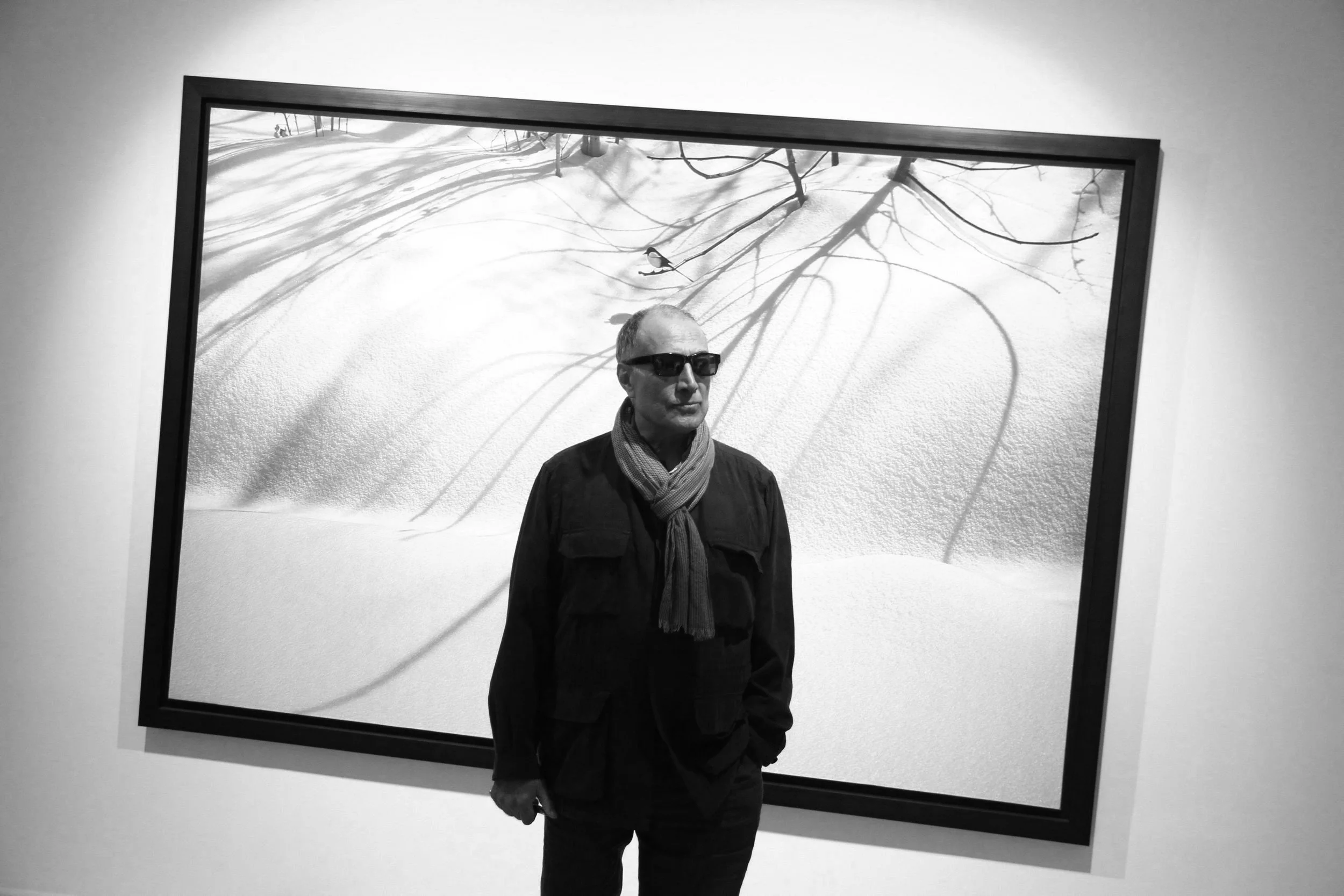
abbas kiarostami
Abbas Kiarostami (June 22, 1940 – July 4, 2016) was an Iranian filmmaker, screenwriter, poet, photographer, and film producer. He was a leading figure in the Iranian New Wave cinema, known for his minimalist, poetic storytelling and philosophical themes.
Kiarostami was born in Tehran, Iran, and showed artistic inclinations from an early age. He won a painting competition at 18 and later studied painting and graphic design at the University of Tehran. Before entering the film industry, he worked in advertising, designing posters and directing commercials.
In 1969, he joined the Institute for the Intellectual Development of Children and Young Adults, where he helped establish its film division. His first short film, Bread and Alley (1970), introduced themes of childhood and realism that would become central to his work. His early feature film, The Traveler (1974), depicted a young boy’s determination to attend a football match in Tehran, showcasing Kiarostami’s ability to blend documentary-style storytelling with deep emotional narratives.
Kiarostami gained international acclaim with Where Is the Friend’s Home? (1987), the first film in his celebrated Koker Trilogy. The trilogy continued with And Life Goes On… (1992) and Through the Olive Trees (1994), exploring themes of resilience and the interplay between fiction and reality.
His 1990 film Close-Up became a landmark in world cinema, blending documentary and fiction to tell the true story of a man impersonating filmmaker Mohsen Makhmalbaf. In 1997, Kiarostami won the Palme d’Or at the Cannes Film Festival for Taste of Cherry, a contemplative film about a man seeking someone to bury him after his planned suicide.
Kiarostami passed away in Paris in 2016, leaving behind a profound legacy that continues to inspire filmmakers worldwide. His unique approach to storytelling, blending realism with philosophical depth, has cemented his place as one of the most influential directors in world cinema.
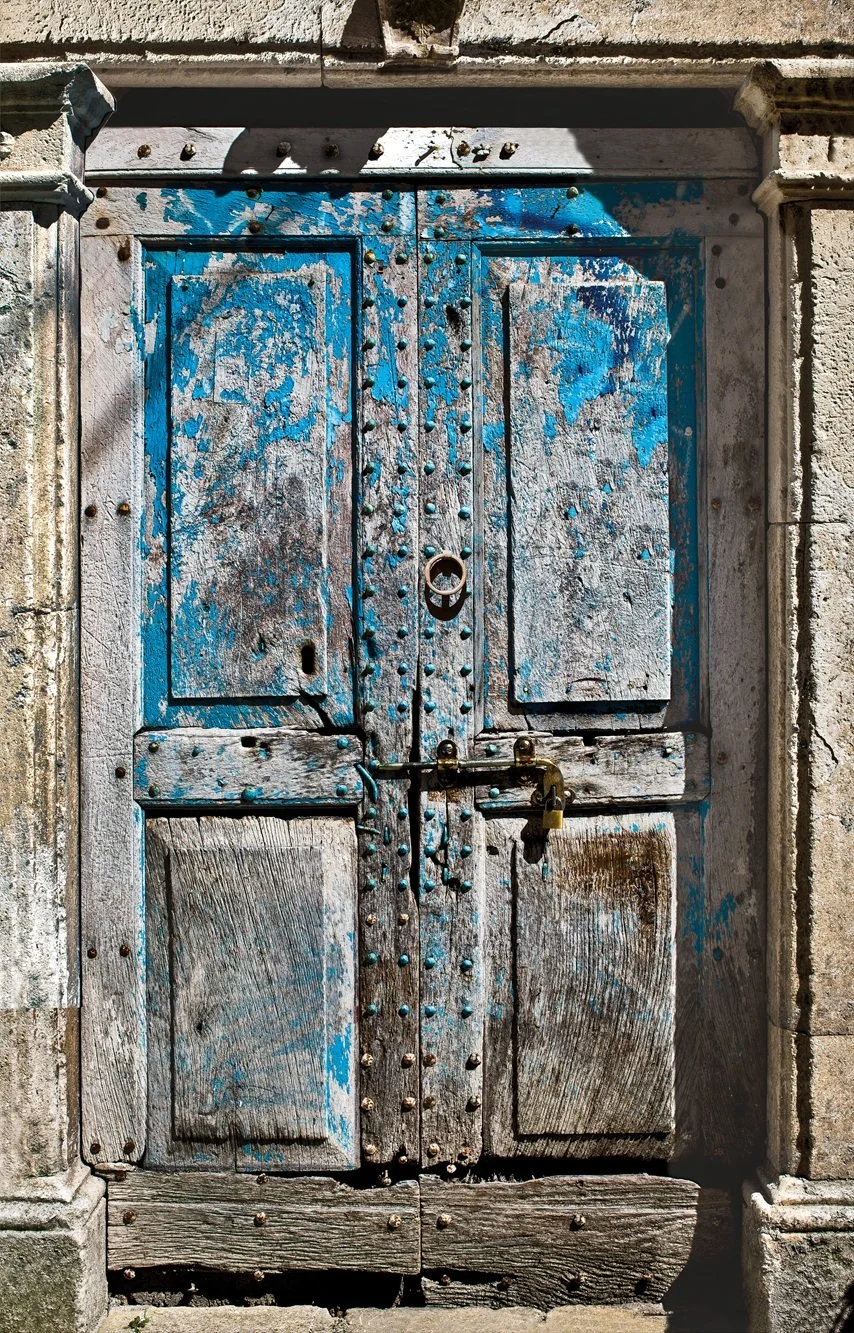
From The Doors And The Memories Series (2011), 212 x 140 cm, Digital Print on Canvas
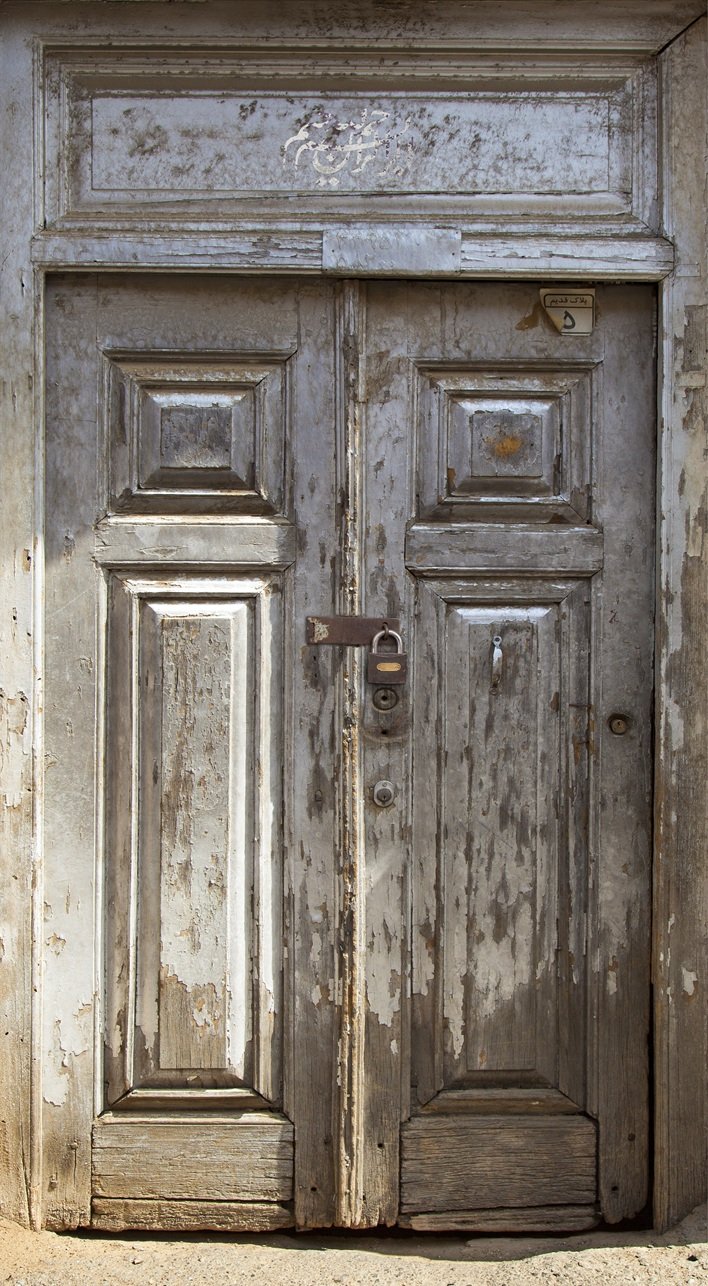
From The Doors And The Memories Series (2005), 191.5 x 102 cm, Digital Print on Canvas
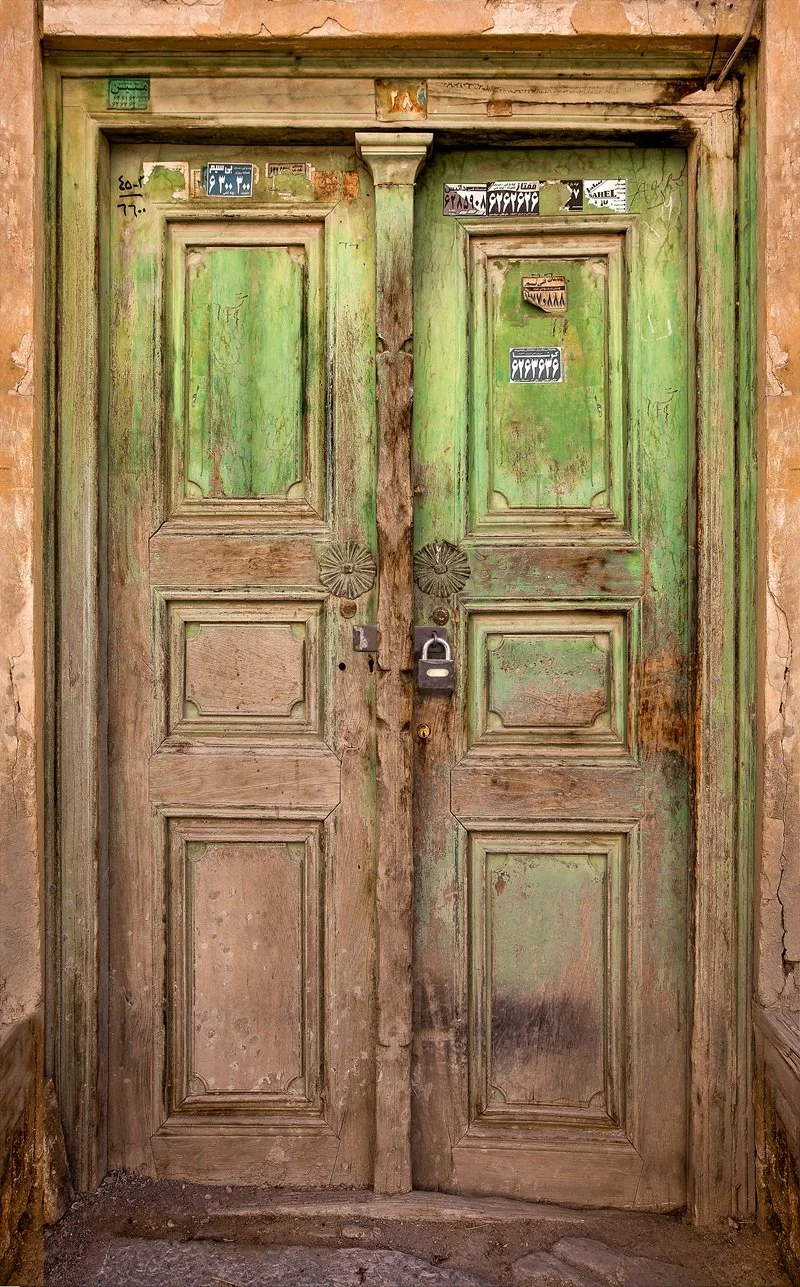
From The Doors And The Memories Series (2009), 176.5 x 102 cm, Digital Print on Canvas
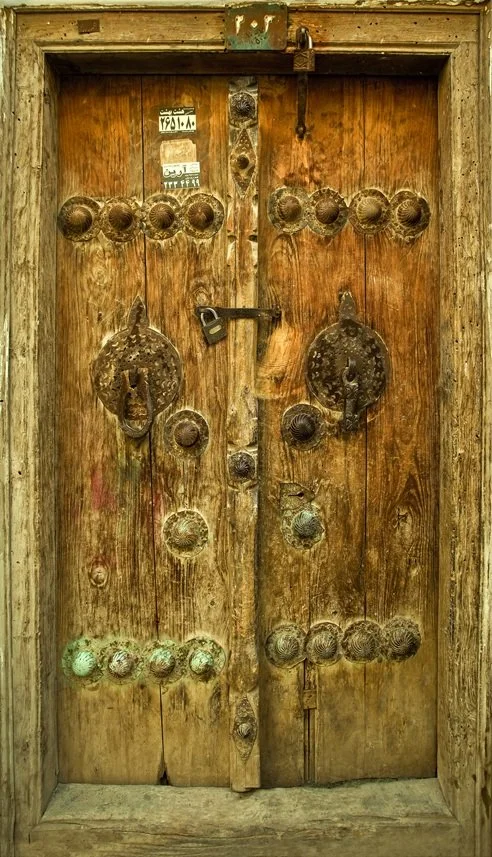
From The Doors And The Memories Series (2007), 208 x 140 cm, Digital Print on Canvas
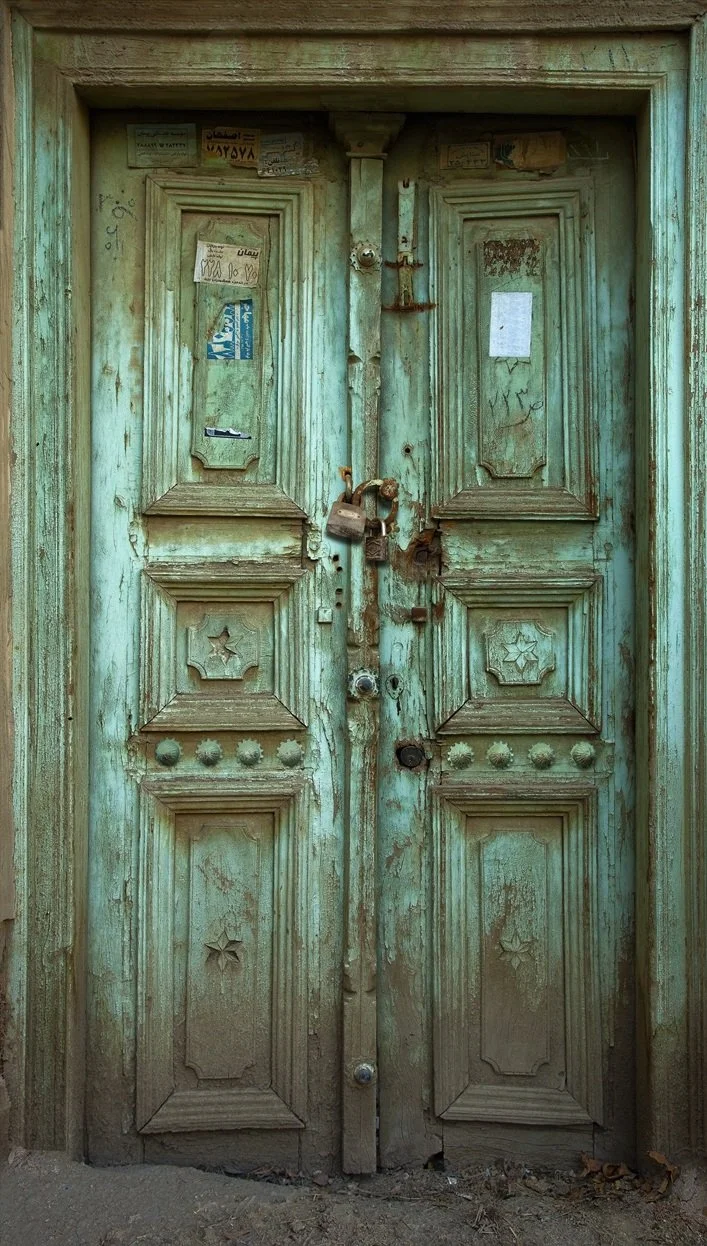
From The Doors And The Memories Series (1997), 190 x 101 cm, Digital Print on Canvas
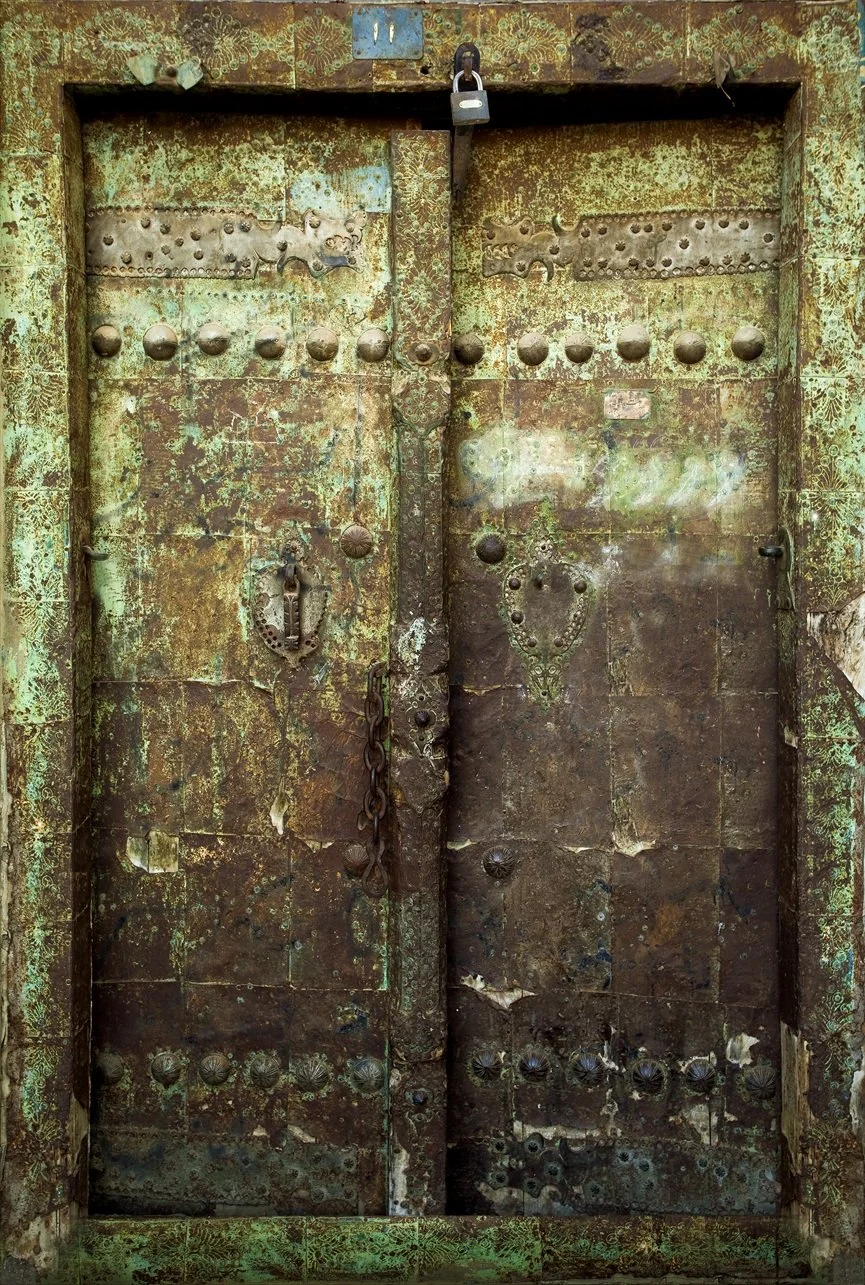
From The Doors And The Memories Series (2009), 180 x 101 cm, Digital Print on Canvas
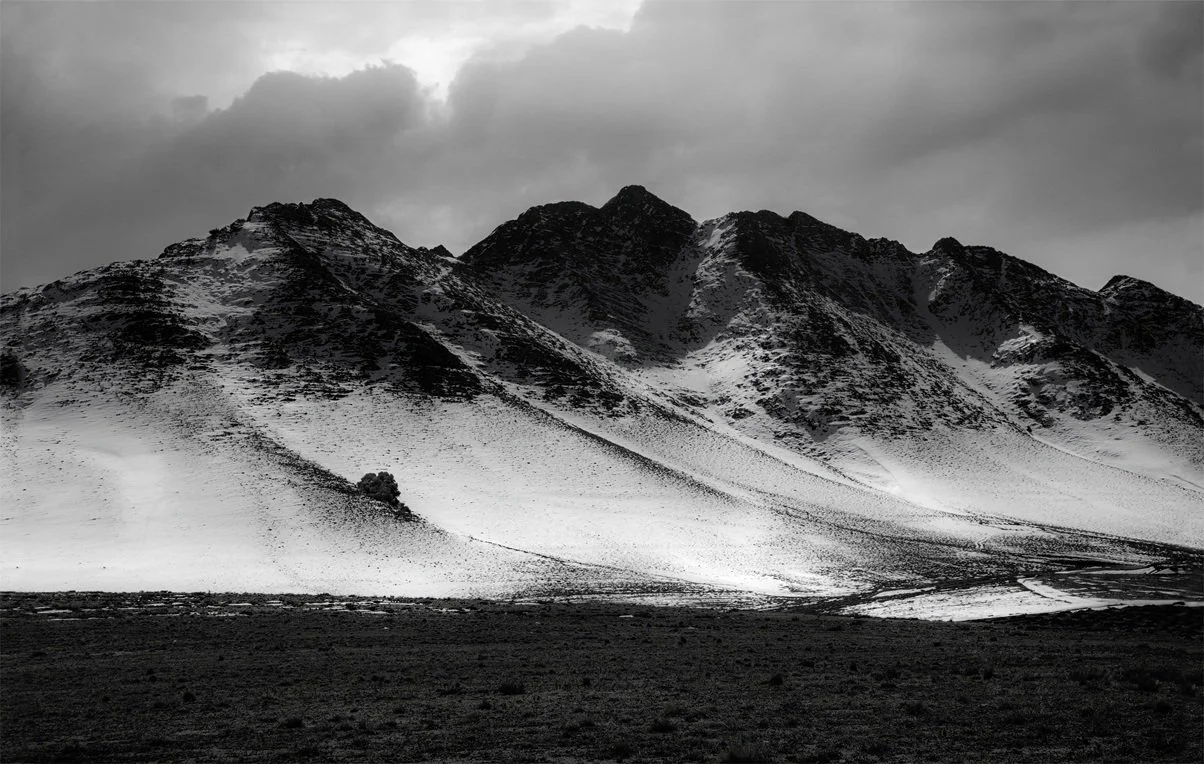
From the Moonlight Series (2015), 229 x 144 cm, Digital Print on Canvas
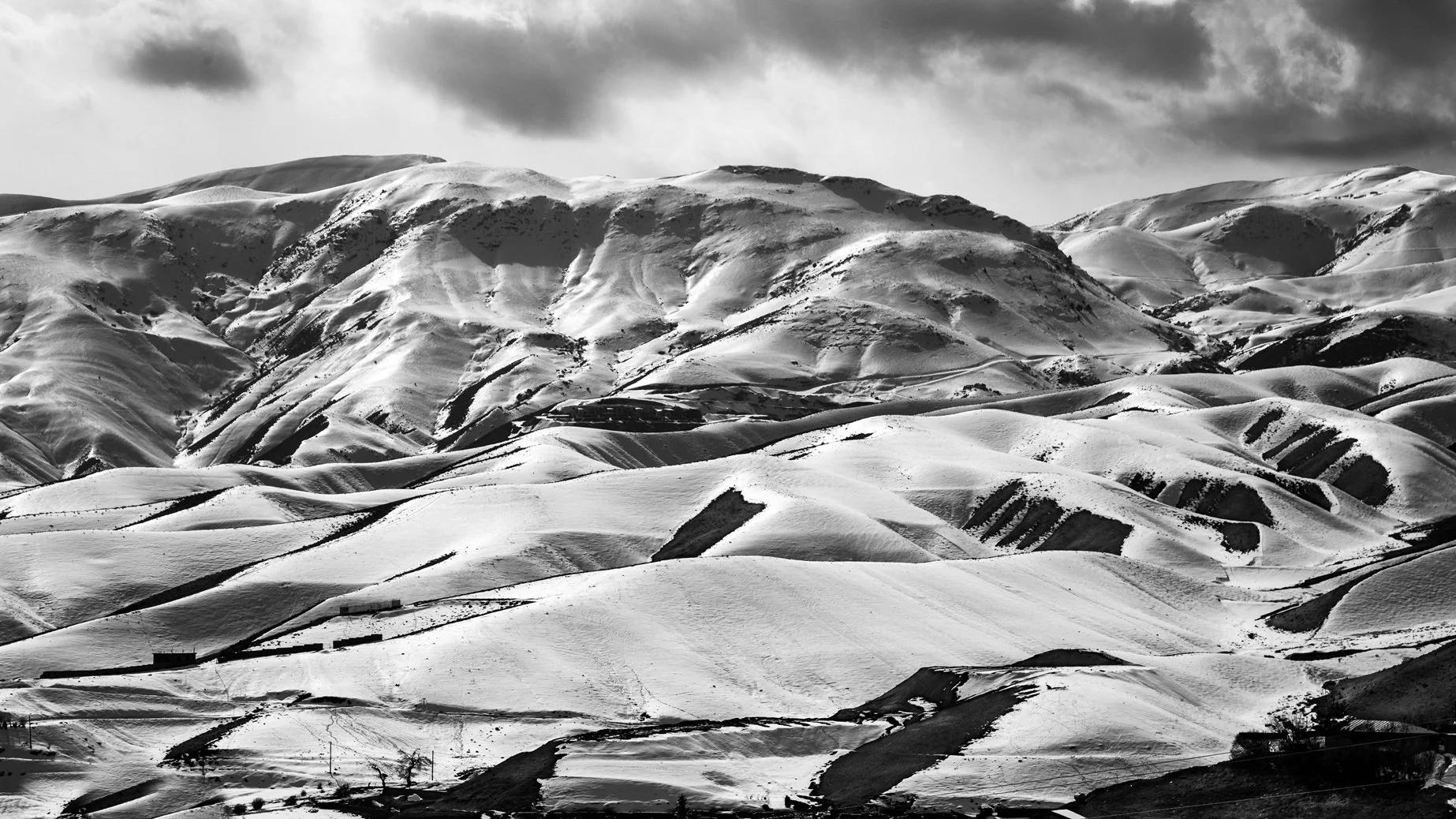
From the Moonlight Series (1978), 183 x 104 cm, Digital Print on Canvas
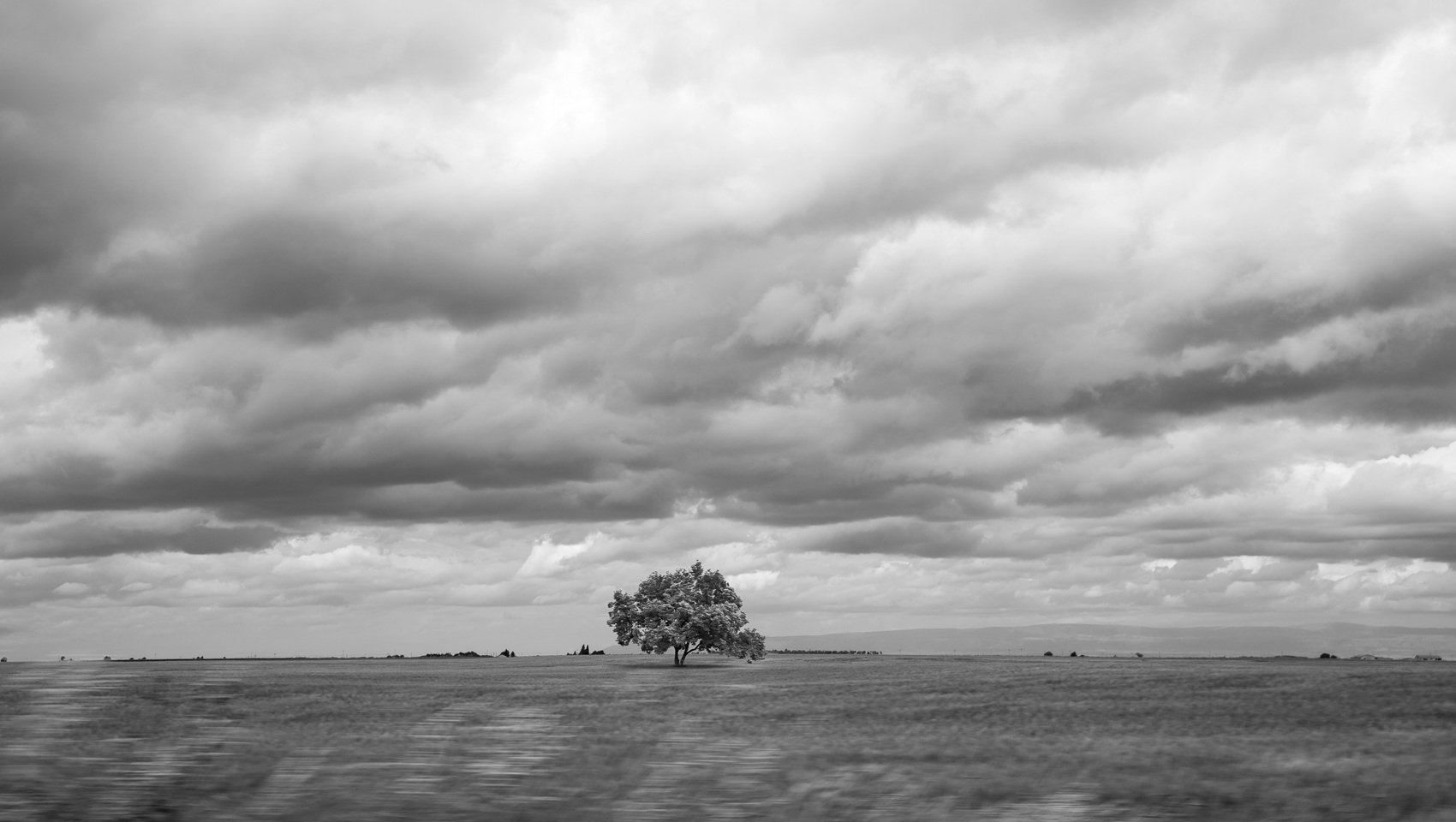
From the Road Series (2000), 244 x 138 cm, Digital Print on Canvas
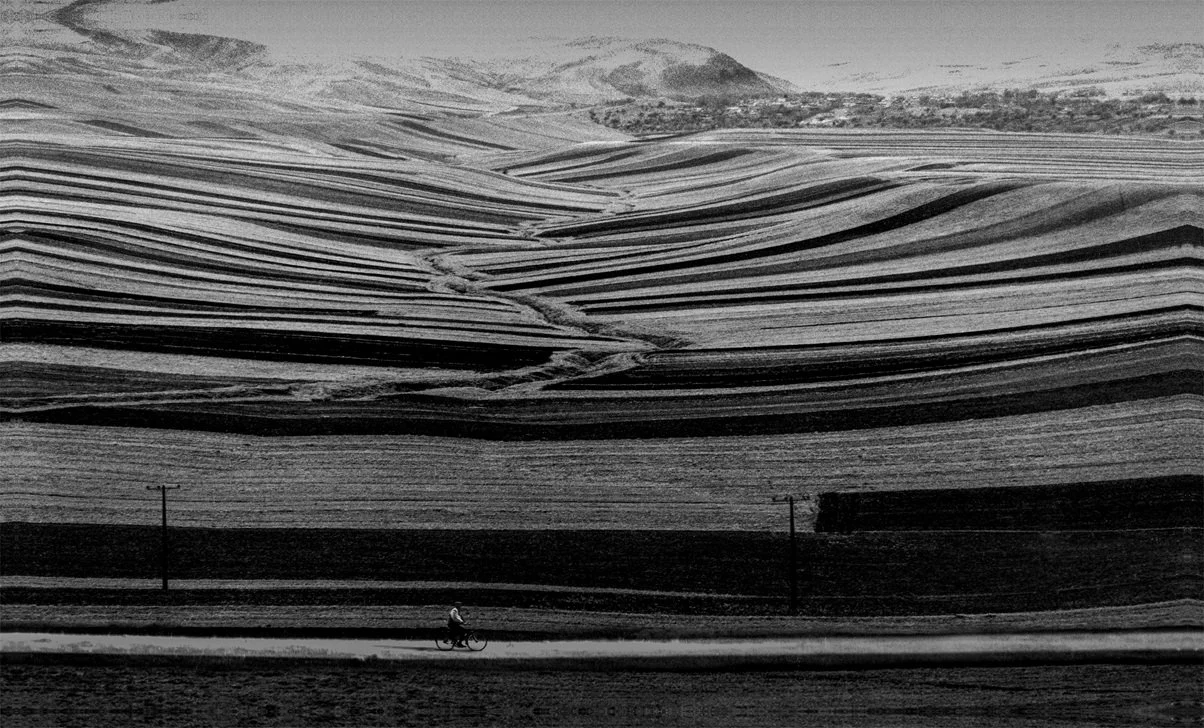
From The Roads Series (1978), 233 x 140 cm, Digital Print on Canvas
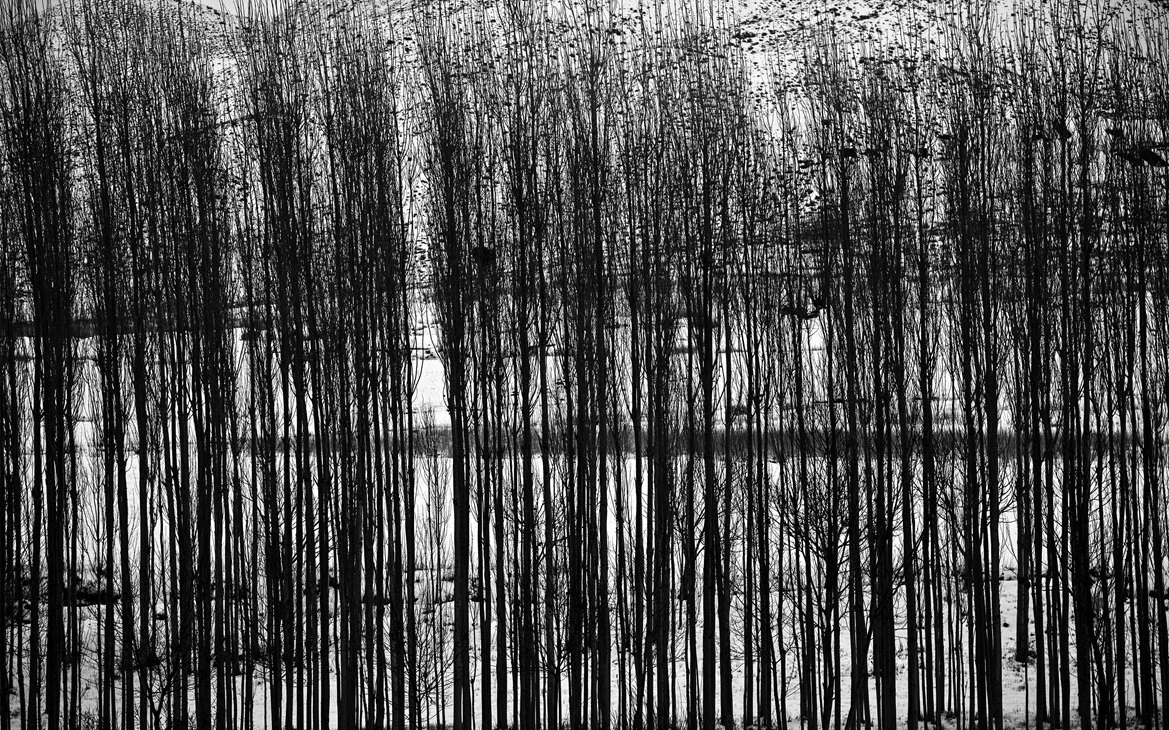
From the Snow White Series (2010), 164 x 103 cm, Digital Print on Canvas
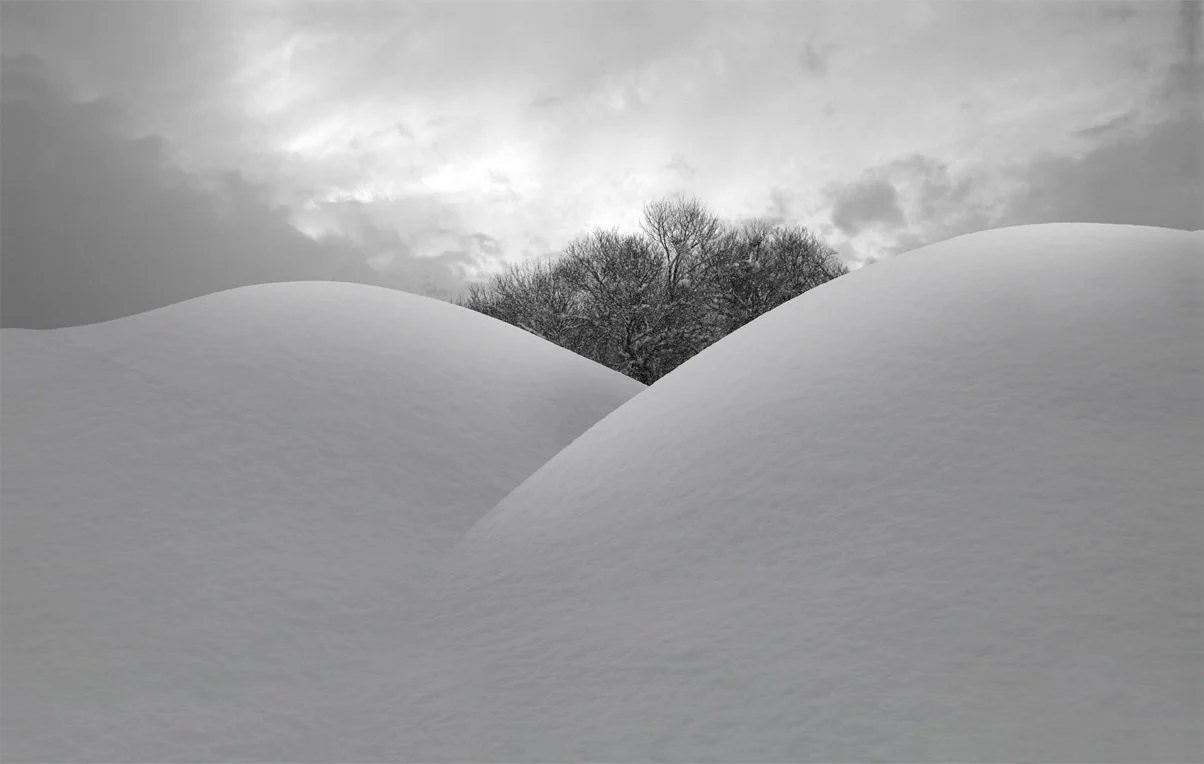
From the Snow White Series (2012), 229 x 144 cm, Digital Print on Canvas
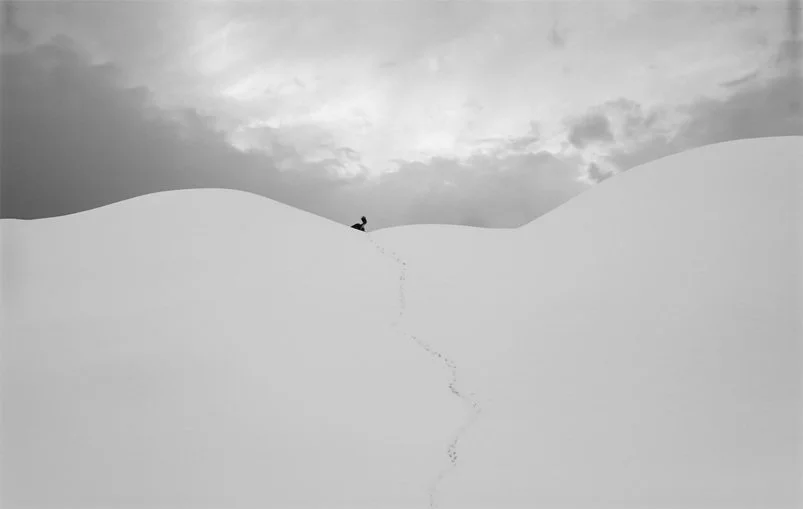
From the Snow White Series (2012), 238 x 144 cm, Digital Print on Canvas
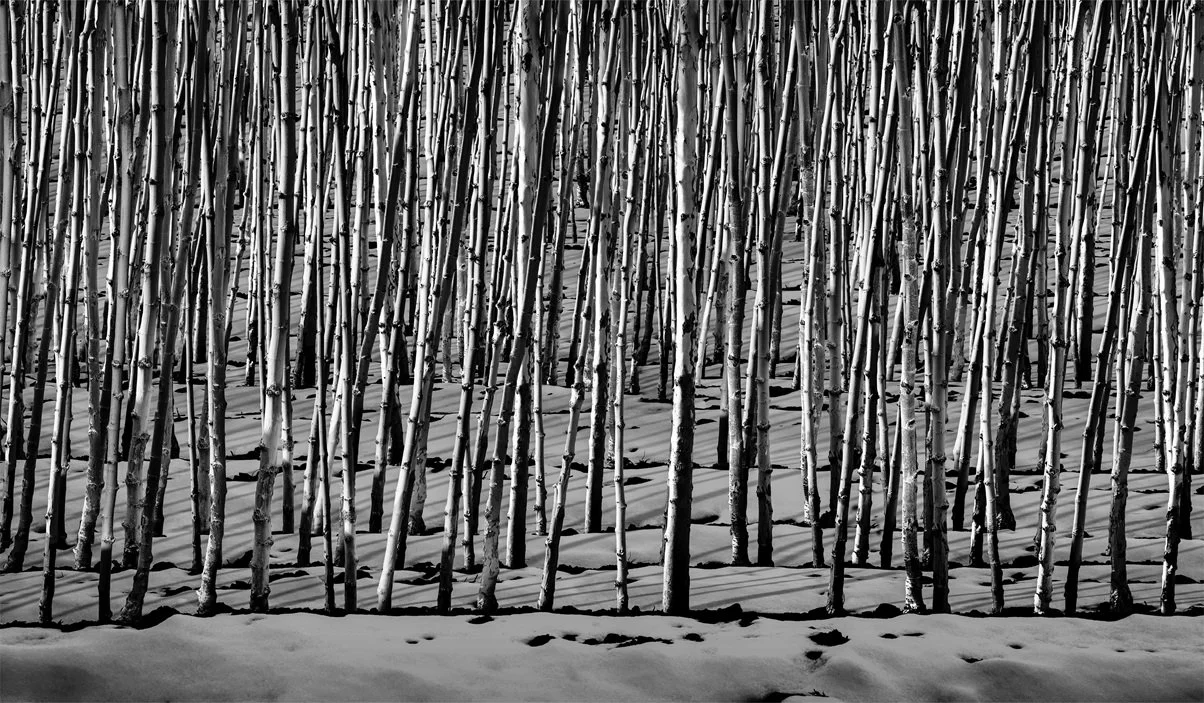
From The Snow White Series (2012), 244 x 140 cm, Digital Print on Canvas

From the Snow White Series (2012), 246.5 x 140.5 cm, Digital Print on Canvas
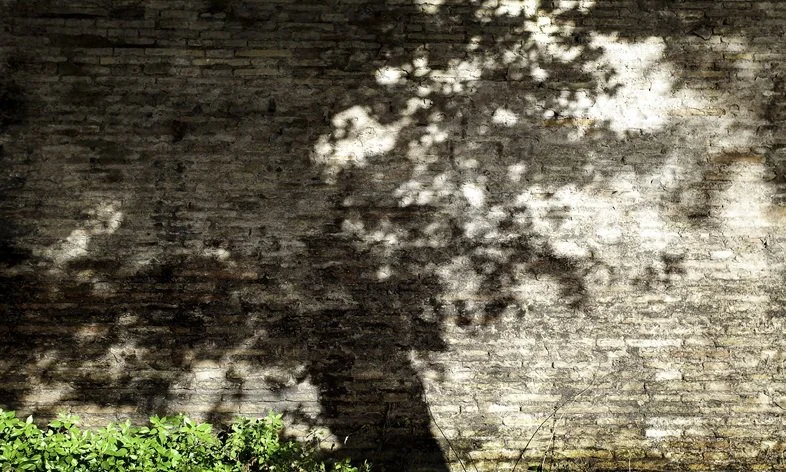
From the Wall Series (2007), 238 x 144 cm, Digital Print on Canvas
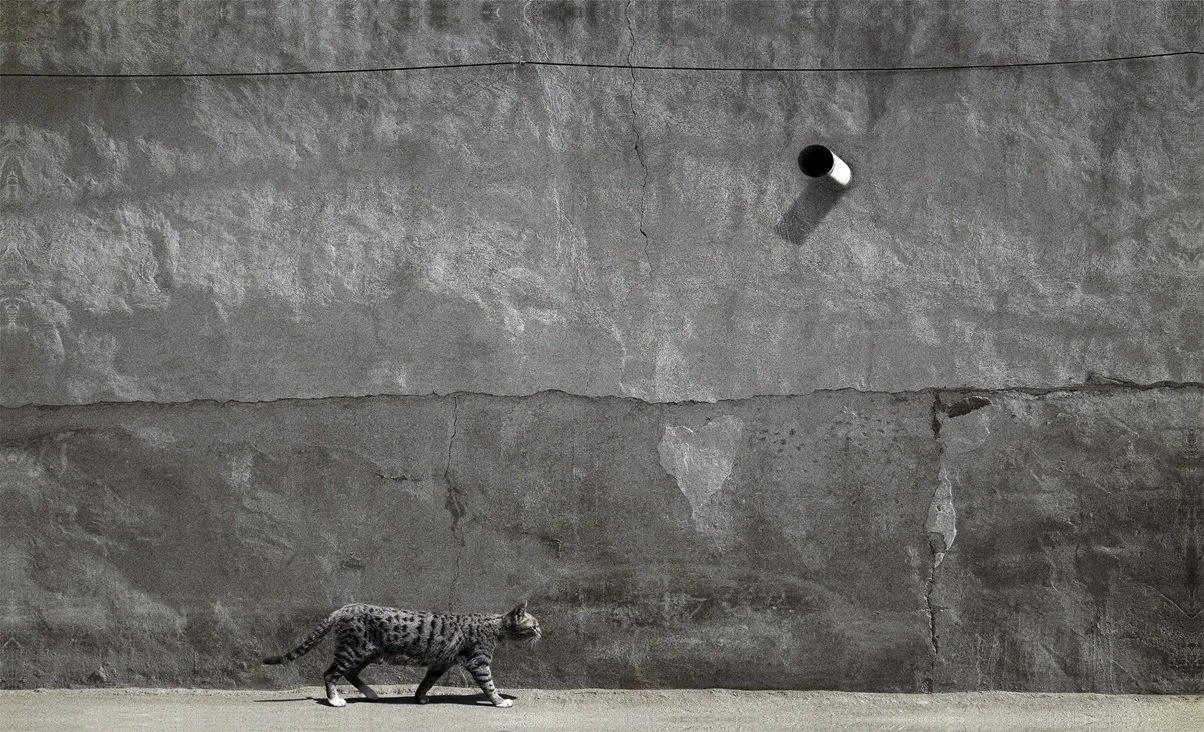
From the Wall Series (2009), 238 x 144 cm, Digital Print on Canvas
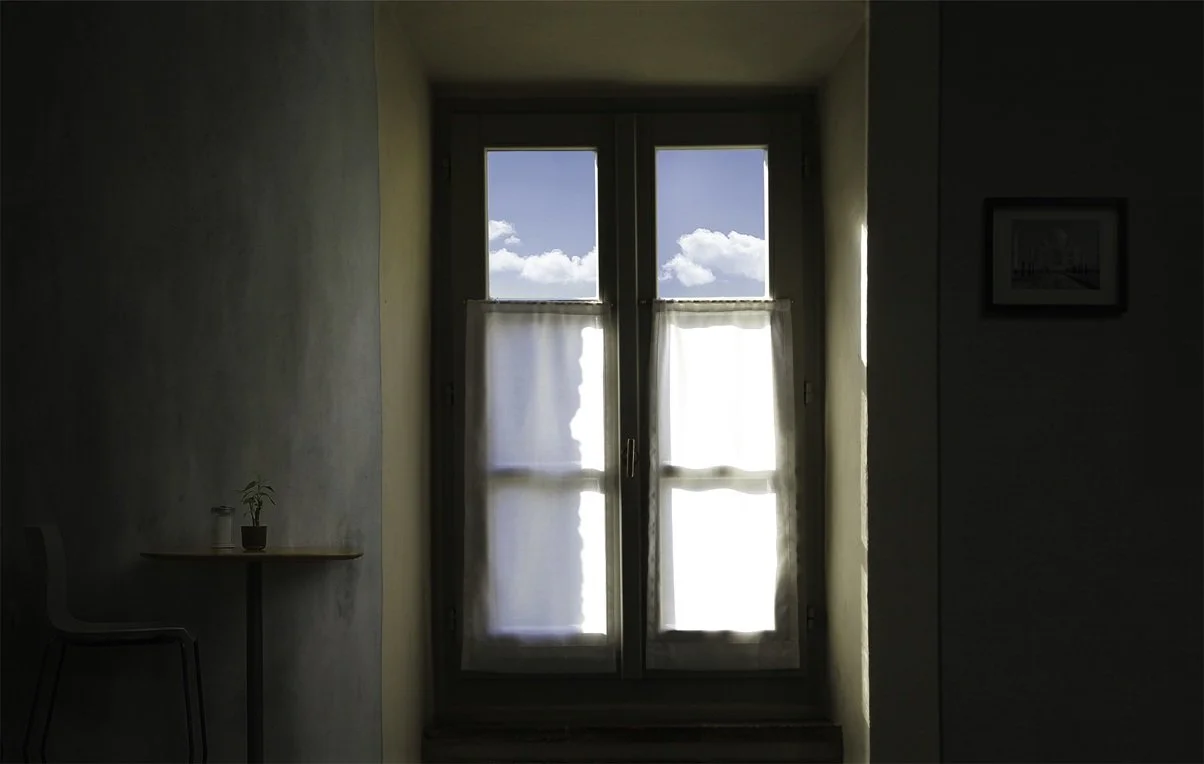
From A Window To Life Series (2009), 241 x 144 cm, Digital Print on Canvas
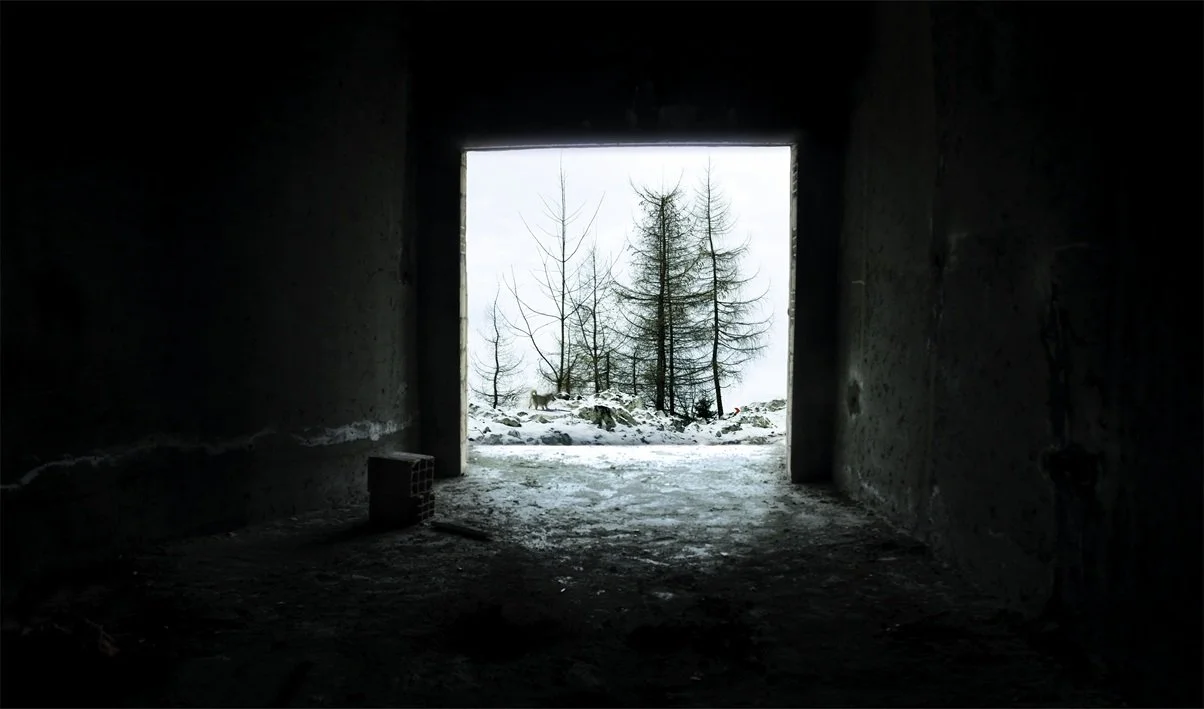
From A Window To Life Series (1989), 245.5 x 144 cm, Digital Print on Canvas
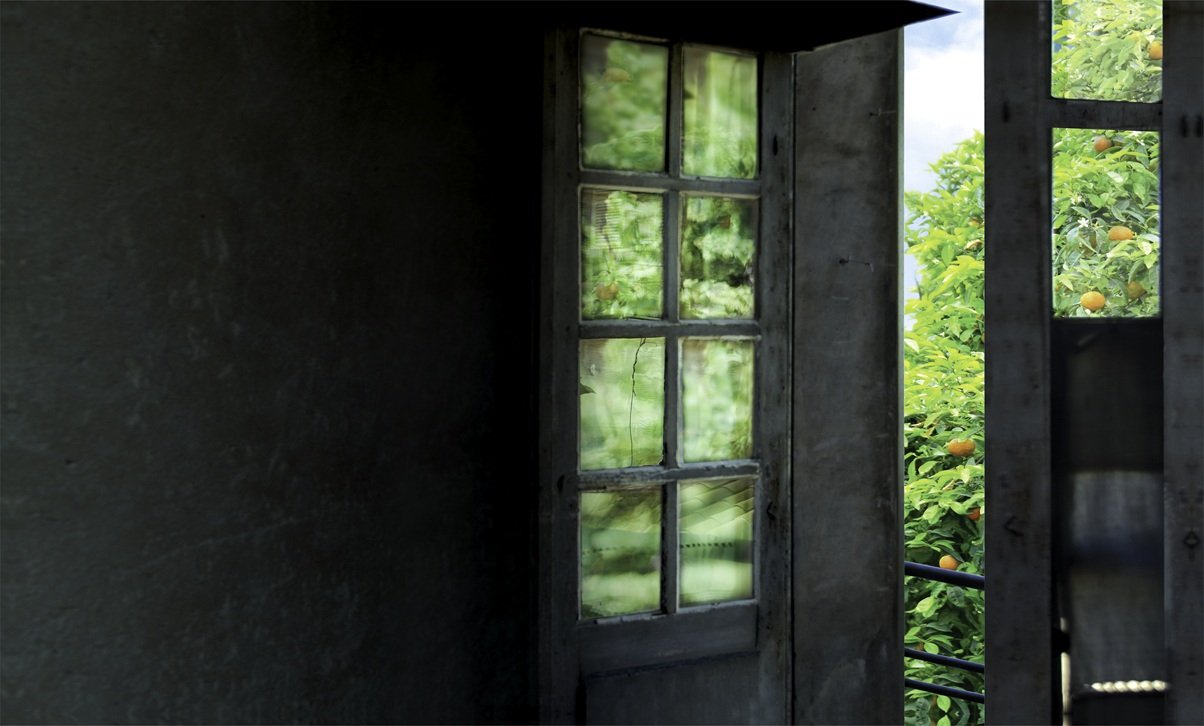
From A Window To Life Series (2002), 229 x 144 cm, Digital Print on Canvas